A Kerala packing list should match your route as well as the month. Kochi, the backwaters and coastal stays call for light clothing and moisture protection, while Munnar and other hill stops can require substantially warmer layers. Temple visits need site-specific preparation; covering shoulders and knees is not enough at every shrine.
Editorial check: 1 November 2026. I have prepared this as a researched checklist, rather than a report of personal travel. The seasonal guidance below is not a forecast for “next week”; check the actual destinations and dates before choosing your final clothing.
Quick Summary: What to Know Before You Pack
- Coast and hills differ: pack breathable daytime clothes, then choose hill layers from the local forecast. Do not assume Kerala is warm everywhere after dark.
- Rain has two seasonal peaks: Kerala Tourism describes southwest monsoon rain and a further northeast-monsoon period around October–November. Keep rain protection available.
- Temple rules differ: Guruvayur and Sree Padmanabhaswamy Temple have specific traditional-clothing guidance. Check each shrine, including entry eligibility and baggage restrictions.
- A useful small addition: sealed inner bags or a dry bag keep documents and electronics separate from rain, spray and damp clothing.
What to Pack for Kerala by Season
Use the table as a packing framework, then adjust it to the forecast and your accommodation’s location. Kerala Tourism’s climate overview describes the tropical climate and the contrast with highland places such as Munnar. A single statewide temperature cannot represent every stop.
| Period | Packing priority | Fabric and layers | Footwear |
|---|---|---|---|
| December–February | Prepare for the coast and colder hill mornings separately | Light coast outfits; forecast-appropriate warm layers for highland stays | Walking shoes plus sandals if useful for your activities |
| March–May | Manage heat and moisture without overpacking | Loose breathable clothes; extra changes if laundry is limited | Light footwear suited to the actual walking route |
| June–September | Protect luggage and allow for wet travel days | Quick-drying clothes, rain protection and spare socks | Grip for wet surfaces; a dry backup if your itinerary needs it |
| October–November | Do not assume all rain has ended | Keep a rain layer or umbrella and sealed inner bags | Footwear with grip; separate wet and dry items |
Coast, Backwaters and Munnar: Build Separate Modules
Kochi, Beach Stays and Backwaters
Choose lightweight outfits you can rotate, with sun protection and a small day bag. For a boat or houseboat booking, ask about boarding, baggage storage, bedding, towels and the facilities included. Keep documents and electronics in a sealed inner bag rather than relying solely on the outer luggage cover.
If swimming is part of the trip, carry swimwear and a cover-up for travel away from the designated pool or beach setting. Confirm local conditions and instructions before entering the water. A beach itinerary does not establish that swimming or boating is suitable on every day.
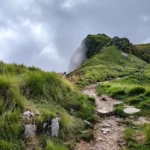
Munnar and Other Hill Stops
Check the forecast for your actual stay and the time of your outing. Kerala Tourism notes that Munnar has recorded temperatures near or below freezing, so the old article’s statement that Kerala’s hills never experience significant cold was incorrect. Layer for the conditions rather than excluding warm clothing in advance.
For a short hill stay, choose a warm layer that fits beneath your rain protection where needed. If your planned route is a trek, obtain route-specific equipment advice and check access notices; ordinary sightseeing footwear is not automatically suitable for every trail.
Kerala Temple Dress Codes: Check the Exact Shrine
| Temple | Published clothing guidance | Packing implication |
|---|---|---|
| Guruvayur | Kerala Tourism lists a plain white or cream dhoti for men, with restrictions on shirts and trousers; saris, skirts with blouses or churidar for women | Bring the accepted outfit and confirm current Devaswom instructions |
| Sree Padmanabhaswamy Temple | Kerala Tourism lists traditional clothing: dhoti for men; sari, set-mundu, skirt-and-blouse or half-sari for women | Do not assume trousers with a long top satisfy the published guidance |
| Other religious sites | Rules vary by site and area | Check clothing, entry eligibility, shoe storage and belongings before arrival |
Sources: Guruvayur clothing guidance and Padmanabhaswamy clothing guidance. Confirm the latest requirements with Guruvayur Devaswom or the Sree Padmanabhaswamy Temple before visiting. Meeting a clothing rule alone does not establish entry eligibility.
Seven-Day Kerala Packing Checklist
The quantities below are a suggested starting point for an ordinary sightseeing trip, not a requirement. Increase or reduce them for your activities, personal needs and confirmed laundry turnaround.
| Item | Suggested starting quantity | Why it earns space |
|---|---|---|
| Light daytime tops | Four or five | Rotate while another set dries |
| Light trousers or other day bottoms | Two or three | Choose pieces that work for several activities |
| Underwear | Seven sets, or fewer only with reliable washing | Avoid relying on overnight drying |
| Warm layers | Choose after checking hill conditions | Coast clothing alone may not suit Munnar |
| Temple outfit | One accepted outfit for the specific shrine | A generic scarf is not a substitute for traditional-dress rules |
| Rain protection | One jacket or umbrella, plus inner waterproofing | Protect yourself and the contents of the bag separately |
| Footwear | One walking pair; add a second pair only when useful | Match grip, drying time and the actual route |
| Swimwear and cover-up | If swimming is planned | Keep beach or pool clothing separate from town visits |
Documents, Payments and Electronics
- Carry the original identity documents required by your transport and accommodation, plus secure backup copies.
- Save hotel addresses, booking details and route information offline.
- Keep a small cash backup and more than one practical payment option; confirm acceptance at the individual business.
- Carry the charger and power bank you actually need, and check your airline’s battery rules if flying.
- Use a sealed pouch for important items and a separate bag for wet clothes.
Do not assume a patch, rural location or a particular network guarantees that digital payments will work or fail. Ask your accommodation about connectivity if you need reliable access for work or onward bookings.
Personal Care and Items to Confirm with Your Stay
Pack your usual toiletries in the quantities needed and personal medicines in their original packaging. Ask a pharmacist or clinician about unfamiliar medicines rather than following a generic travel list of tablets. Include sun protection and an appropriate insect repellent, used according to its label.
Check towel provision, laundry availability, room facilities and any luggage limits before duplicating what your stay already supplies. For a houseboat or remote property, request the exact inclusions rather than assuming every category of accommodation offers the same facilities.
What to Leave Out
- Extra outfits chosen for imagined activities that are not on the itinerary.
- Several bulky pairs of shoes when one walking pair and a practical backup cover your needs.
- Full-size toiletries already supplied by the accommodation.
- A universal assumption about warm clothing: bring enough for the actual hill conditions instead.
- Unnecessary valuables or equipment you cannot protect during transfers.
Before You Close the Bag
Recheck the forecast for every overnight stop, confirm temple clothing, review activity notices and ask about laundry. Keep arrival-day essentials accessible. For another regional comparison, see the Jaipur packing list; its clothing guidance reflects a different climate and different sites.
Frequently Asked Questions
What should I pack for a seven-day Kerala trip with Munnar and the backwaters?
Pack light outfits for the coast, a warm layer for the hills, rain protection, grippy walking shoes and a dry bag for documents and electronics. Add the specific clothing required by any temple you will enter. Adjust the quantity of clothing to confirmed laundry access rather than assuming every hotel can provide quick turnaround.
Do I need a jacket for Munnar, or is Kerala always hot?
Kerala’s coast and hill stations need different packing decisions. Munnar can be much colder than coastal destinations, particularly at night and in exposed locations. Check the forecast for your accommodation’s area and planned outings, then choose adequate layers. Do not rely on the claim that a single light jacket is always sufficient.
Are normal trousers and a covered top enough for every Kerala temple?
No. Some Kerala temples have specific traditional-dress requirements beyond covering shoulders and knees. Guruvayur and Sree Padmanabhaswamy Temple publish different clothing guidance. Check each temple’s current rules, entry eligibility and restrictions before packing. Clothing accepted at one shrine should not be assumed acceptable at another, even during the same trip.
What extra gear should I pack for Kerala during the monsoon?
Add a rain jacket or umbrella, a dry bag or sealed inner bags, quick-drying outfits, spare socks and footwear with reliable grip. Separate wet clothes from documents and electronics. Check weather and route notices before outings, and confirm activity cancellation terms; waterproof luggage does not make a closed trail or unsafe boat journey suitable.
Sources and Update Notes
Sources checked on 1 November 2026: Kerala Tourism climate and temple-dress FAQs, plus the temples’ own official channels linked above. This update replaces the “next week” framing, removes blanket warm-weather assumptions and distinguishes general travel clothing from the requirements of particular temples.