
Meghalaya Living Root Bridge Trek
The Meghalaya living root bridge trek takes you through ancient bioengineered marvels created by the Khasi tribe over 500 years ago. The famous Double Decker Living Root Bridge in Nongriat village requires a 3-kilometer descent with 3,500 stone steps each way. This UNESCO tentative site attracts over 50,000 trekkers annually to witness nature’s incredible architecture.
What is a Living Root Bridge in Meghalaya
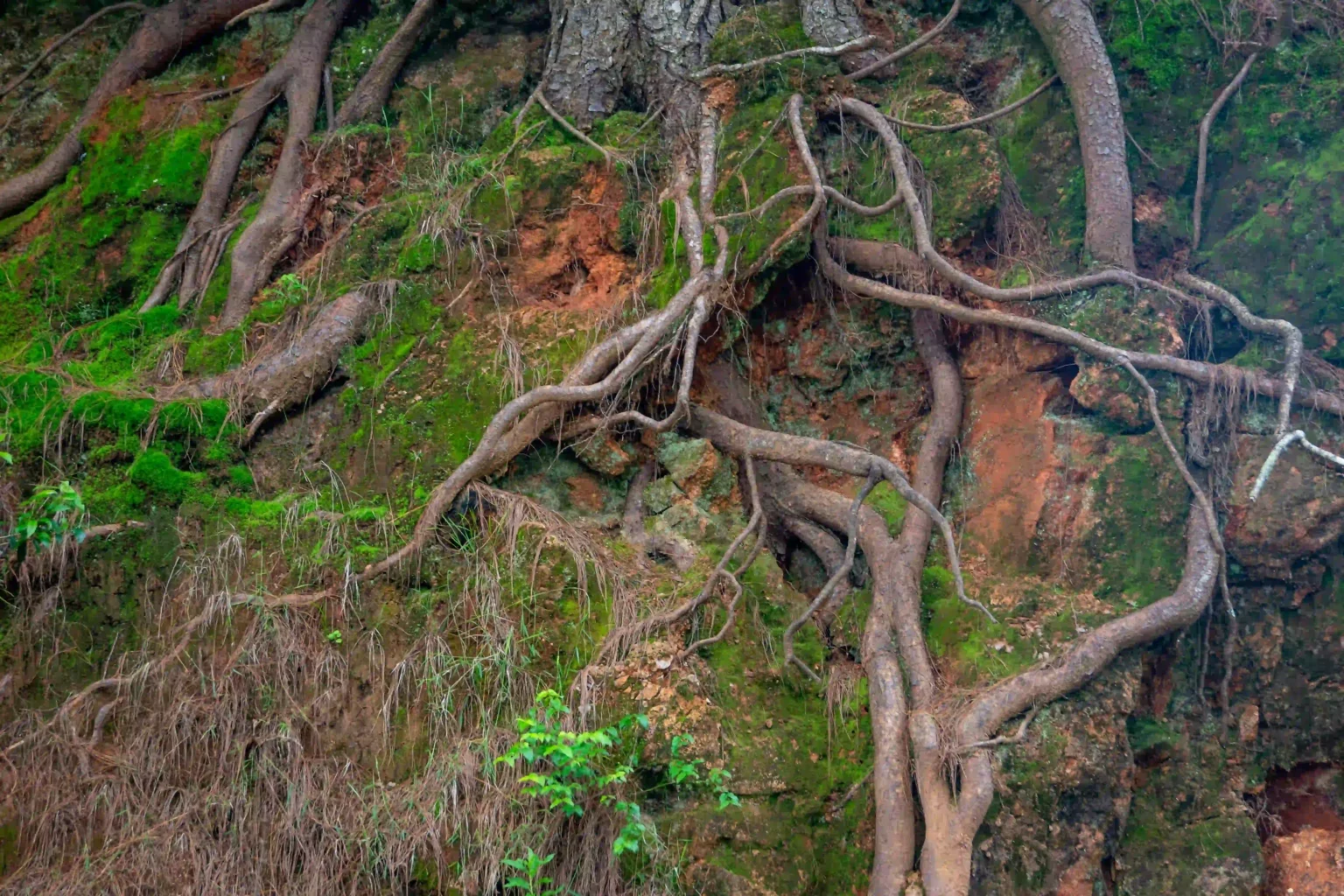
Living root bridges are functional walkways formed by training and weaving aerial roots of Ficus elastica trees across streams and rivers.
The Khasi tribe developed this sustainable bridge-building technique centuries ago, creating structures that strengthen with age rather than deteriorate.
These bioengineered bridges can support up to 50 people simultaneously and last over 500 years with proper maintenance.
How difficult is the Meghalaya living root bridge trek
The trek difficulty ranges from moderate to challenging depending on your chosen route.
The most popular Double Decker trek involves descending 3,500 stone steps over 3 kilometers, taking 2-3 hours downhill and 3-4 hours uphill.
The Rainbow Falls extension adds another 1.5 kilometers and requires crossing the living bridge multiple times through knee-deep water during monsoons.
Complete costs and practical details for living root bridge trek
Budget ₹8,000-₹12,000 per person for a 2-day trip from Guwahati including transport, accommodation, and meals. Entry to Nongriat village costs ₹20 for Indians and ₹500 for foreigners.
- Shillong to Tyrna village transport: ₹2,500-₹3,500 for shared taxi covering 78 kilometers in 3 hours
- Village homestay accommodation: ₹800-₹1,500 per night including basic meals and shared bathrooms
- Local guide charges: ₹1,000-₹1,500 per group essential for navigation and cultural insights
- Porter service: ₹500-₹800 per bag recommended for heavy backpacks during steep descent
When is the best time to visit living root bridges in Meghalaya
November to March offers the best trekking conditions with dry weather and clear visibility of the bridges. April to June brings warmer temperatures but manageable humidity levels for hiking. July to October monsoon period makes trails slippery and dangerous, though waterfalls are at their most spectacular during this time.
Pro tips for Meghalaya living root bridge trek that most guides miss
Book accommodation in Nongriat village bottom rather than staying in Tyrna top to avoid carrying luggage during the steep descent.
Start your trek by 7 AM to avoid afternoon heat and complete the return journey before sunset at 5:30 PM. The local Khasi families in Nongriat serve traditional jadoh rice with pork for ₹150, providing authentic fuel for your return climb.
Final Thoughts
The Meghalaya living root bridge trek offers an unmatched combination of adventure, culture, and natural engineering that you cannot experience anywhere else in India.
Plan your journey during the dry season, respect local customs, and prepare physically for this once-in-a-lifetime hiking experience that connects you with centuries of indigenous wisdom.
Frequently Asked Questions
How many days needed for living root bridge trek Meghalaya
A minimum 2 days allows comfortable exploration of Double Decker Bridge and Rainbow Falls. Add one extra day to visit the Single Decker Bridge and explore Mawlynnong village nearby.
Can beginners do the living root bridge trek
Yes, but basic fitness is essential for the 3,500-step descent and ascent. Practice stair climbing for 2-3 weeks before your trip to build leg strength.
What to pack for Meghalaya root bridge trekking
Pack quick-dry clothes, waterproof shoes with good grip, headlamp, power bank, and basic medicines. Avoid heavy cotton clothing that retains moisture in humid conditions.