
Ayodhya Travel Guide
Ayodhya awaits you with its magnificent Ram Mandir, ancient ghats, and spiritual energy that transforms every visitor. This sacred city on the Sarayu River offers authentic spiritual experiences, architectural marvels, and cultural immersion perfect for Indian travelers seeking meaningful journeys. Your Ayodhya travel guide 2026 covers everything from temple timings to local cuisine, ensuring your pilgrimage becomes unforgettable.
Best Time to Visit Ayodhya in 2026
October through March delivers ideal weather for temple visits and sightseeing. Temperatures range from 15°C to 28°C, making long walks comfortable. Winter months offer clear skies perfect for photography and outdoor exploration.
Avoid visiting during monsoon season (July-September) when heavy rains disrupt travel plans. Summer temperatures soar above 40°C, making daytime temple visits exhausting. Festival seasons like Ram Navami bring massive crowds but incredible spiritual atmosphere.
Book accommodation well in advance for Diwali and Dussehra celebrations. These periods showcase Ayodhya at its most vibrant, with spectacular light displays and cultural performances throughout the city.
Must-Visit Temples and Sacred Sites
The Ram Mandir stands as Ayodhya’s crown jewel, welcoming devotees daily from 6 AM to 9 PM. Advanced booking through the official website ensures smooth darshan without long queues. The temple complex spans 70 acres with intricate pink sandstone architecture.
Hanuman Garhi temple requires climbing 76 steps but rewards visitors with panoramic city views. This fortress-like temple opens at 5 AM for morning prayers. Local tradition suggests visiting Hanuman Garhi before Ram Mandir for complete blessings.
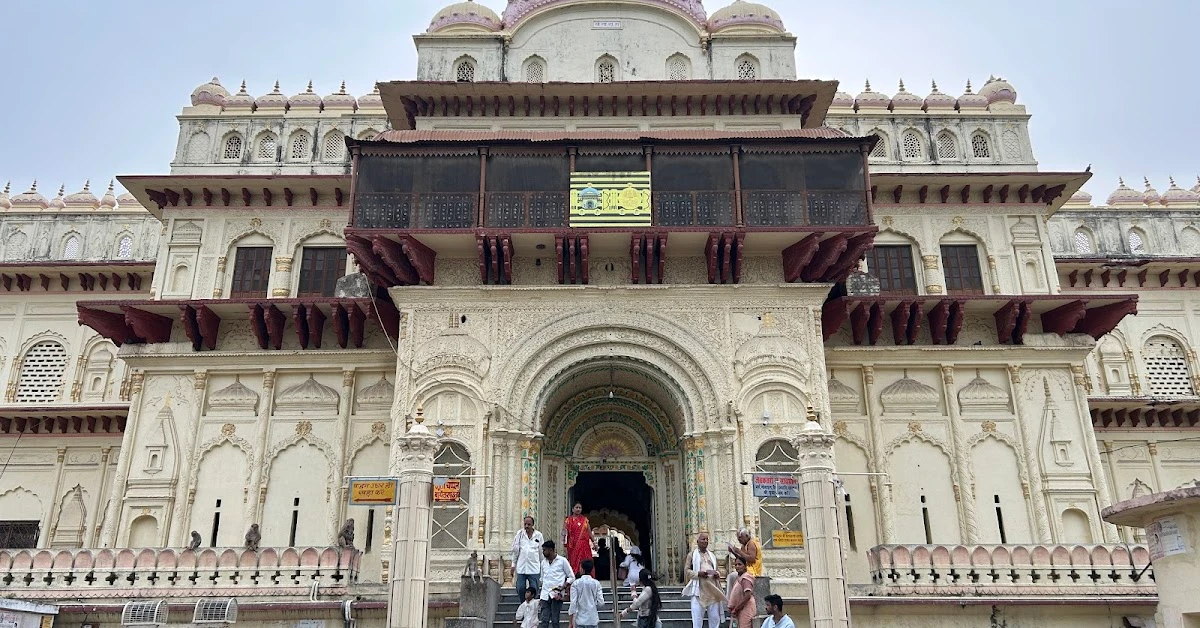
Kanak Bhavan temple houses beautiful idols of Ram and Sita in a palace setting. The temple’s unique architecture blends Rajasthani and Awadhi styles. Visit during evening aarti at 7 PM for the most atmospheric experience.
Other Sacred Destinations
- Nageshwarnath Temple – Ancient Shiva temple with evening aarti at 7 PM
- Treta Ke Thakur – Site where Ashwamedha Yagna was performed
- Guptar Ghat – Where Lord Ram took jal samadhi, peaceful sunset spot
Accommodation Options for Every Budget
Luxury pilgrims choose The Ramayana Hotel, offering river views and premium amenities from ₹8,000 per night. Their restaurant serves authentic Awadhi cuisine and pure vegetarian meals. Airport transfers and temple tour packages come included.
Budget travelers find comfort at Saket Guest House near Ram Janmabhoomi, with clean rooms from ₹1,500 per night. This family-run property provides home-cooked meals and local guidance. Book directly to avoid online booking charges.
Mid-range options like Hotel Raghunath offer modern amenities at ₹3,500 per night. Their location allows easy walking access to major temples. Free breakfast and temple darshan assistance add significant value.
Booking Tips
- Reserve rooms 3 months ahead for peak season visits
- Confirm vegetarian meal availability when booking
- Choose accommodations within 2 km of Ram Mandir for convenience
Local Transportation and Getting Around
Ayodhya Railway Station connects directly to Delhi, Mumbai, Kolkata, and Chennai with regular trains. The new station infrastructure handles increased pilgrim traffic efficiently. Pre-book reserved seats during festival seasons for guaranteed travel.
Faizabad Airport, 6 kilometers away, receives flights from major Indian cities. Airport taxis charge fixed rates of ₹300 to city center. Private cab bookings through Ola or Uber provide reliable airport transfers.
Auto-rickshaws cost ₹50-100 for local temple visits within the city. E-rickshaws offer eco-friendly transportation at similar prices. Walking remains the best option for exploring the compact temple area.
Cycle-rickshaws provide leisurely rides along Sarayu River ghats for ₹30-50 per kilometer. This traditional transport offers great photography opportunities and cultural interaction with local drivers.
Authentic Ayodhya Cuisine and Dining
Tulsi Udyan Restaurant serves traditional Awadhi thali featuring dal-bati-churma, aloo dum, and fresh rotis. Their lassi comes made with pure desi ghee and jaggery. Expect to pay ₹250-350 per person for complete meals.
Street food near Hanuman Garhi includes famous Ayodhya chaat varieties like kachori-sabzi and samosa-chole. Sharma Chaat Bhandar operates since 1960, maintaining authentic flavors and hygienic preparation. Try their special sweet lassi with almonds.
Ram Rasoi provides langar-style meals for pilgrims throughout the day. This community kitchen serves simple, nutritious food following strict purity standards. Donations accepted but not mandatory for meals.
Food Safety Tips
- Drink only bottled water from sealed containers
- Choose busy restaurants with high customer turnover
- Avoid raw salads and unpeeled fruits from street vendors
Shopping and Souvenirs
Ram Path Market offers religious items including rudraksha beads, brass idols, and authentic Tulsi malas. Prices range from ₹50 for small items to ₹5,000 for elaborate brass sculptures. Bargaining reduces prices by 20-30%.
Local artisans create beautiful Ayodhya-themed paintings and handicrafts near temple areas. These unique souvenirs capture spiritual memories perfectly. Support local families by purchasing directly from craftspeople rather than middlemen.
Sacred books, CDs of devotional music, and blessed tilak make meaningful gifts for family members. Temple shops provide authenticated religious items with proper packaging for travel.
Cultural Experiences and Festivals
Evening aarti at Sarayu Ghat creates magical atmosphere with hundreds of diyas floating on sacred waters. Participate in this daily ritual starting at 6:30 PM. Local priests guide visitors through proper rituals and mantras.
Ram Navami celebrations transform Ayodhya into a spiritual wonderland with elaborate processions and cultural programs. Book accommodations 6 months early for this peak period. Street decorations and community feasts enhance the festive experience.
Deepavali in Ayodhya recreates the legendary homecoming of Lord Ram with millions of earthen lamps. This UNESCO-recognized celebration draws visitors worldwide. Advance planning ensures you witness this spectacular light festival.
Final Thoughts
Ayodhya offers spiritual awakening, cultural richness, and architectural wonder in equal measure. Your journey to this sacred city connects you with thousands of years of devotion and tradition. Plan your pilgrimage with proper research, advance bookings, and open heart to receive maximum blessings.
Start planning your Ayodhya pilgrimage today by booking your preferred travel dates and accommodation. This timeless destination awaits your visit with divine grace and unforgettable experiences that will enrich your spiritual journey forever.
FAQs
What are the darshan timings of Ram Mandir in Ayodhya in 2026?
Darshan usually starts around 6:30 AM and continues till 9:30 PM with breaks in between. Timings may change on festivals, so check locally before visiting.
Is online booking required for Ram Mandir darshan?
General darshan does not require booking. However, special aarti or VIP darshan may need prior online or offline registration depending on crowd and season.
What is the best time of day to visit Ram Mandir to avoid crowds?
Early morning (6:30–8:30 AM) or late evening is the least crowded. Avoid weekends, holidays, and major festivals for a smoother darshan experience.
How many days are enough for an Ayodhya trip?
1–2 days are sufficient to cover Ram Mandir, Hanuman Garhi, Kanak Bhawan, and Saryu Ghat comfortably without rushing.
How to reach Ayodhya after the new airport and railway upgrades?
Ayodhya is now well connected via Maharishi Valmiki International Airport Ayodhya Dham and Ayodhya Dham Junction railway station, with direct flights and improved train connectivity.